01
Designed around demand
System sizing should reflect when your business uses electricity, available space and the practical constraints of your site.

COMMERCIAL SOLAR PV
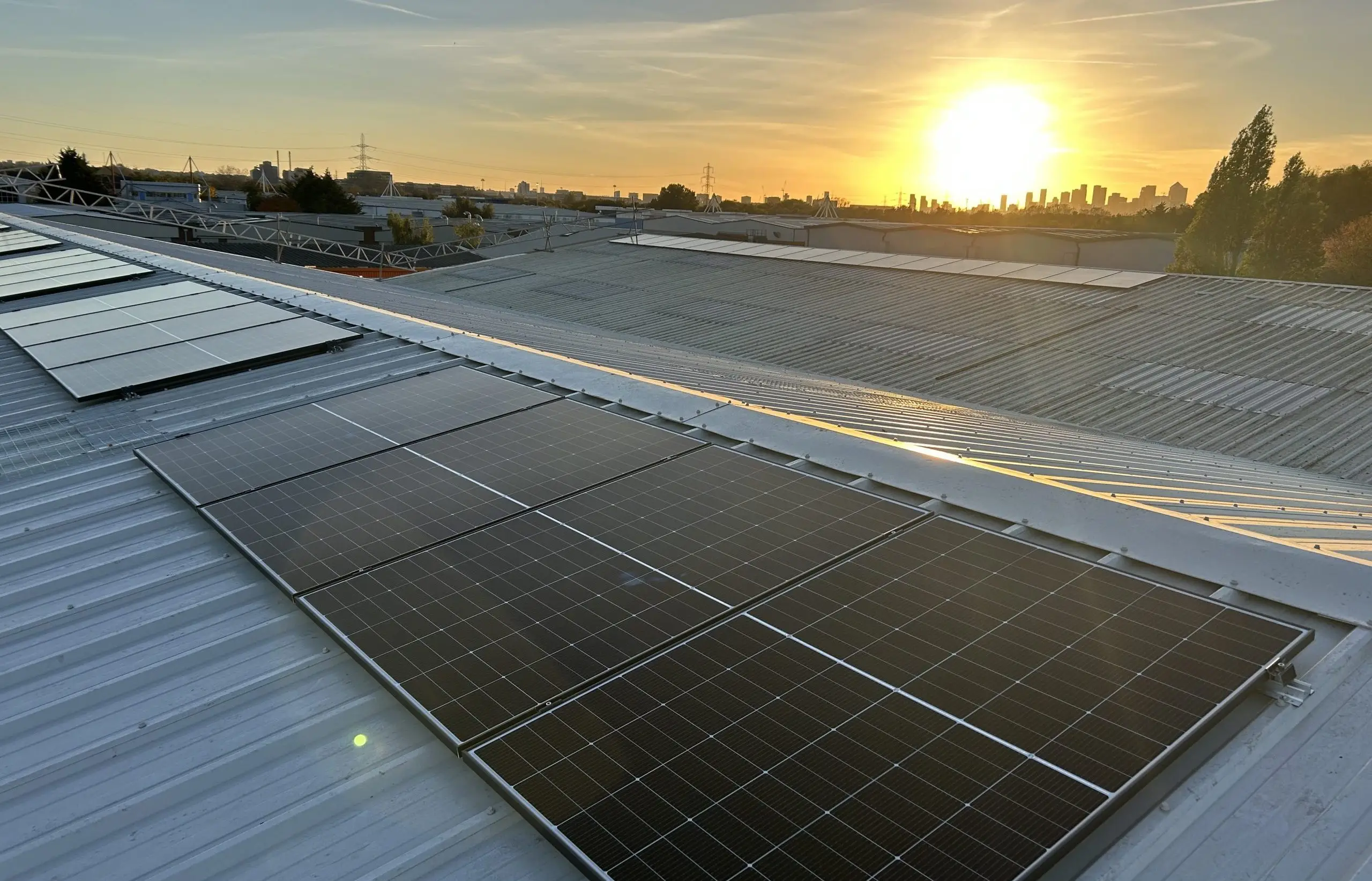
Generate electricity on site and reduce the amount your business needs to buy from the grid.
01
System sizing should reflect when your business uses electricity, available space and the practical constraints of your site.
02
Compare projected generation, on-site use, costs and ongoing maintenance. Savings should be based on your own consumption and tariff assumptions.
03
Roof surveys, electrical design, network approvals and an installation plan help establish what is achievable before work begins.
START WITH YOUR SITE
A useful assessment starts with a few practical details.
Request an assessmentTHE BUSINESS OPPORTUNITY
Your roof could be doing more than protecting your premises. Commercial solar gives you the opportunity to generate electricity where your business uses it, turning available space into a source of long-term operational value. Start with the opportunity on your own site, then build a commercial case your team can assess with confidence.
01
Electricity is an essential overhead. Generating a share of it on site reduces the amount you need to purchase while the system is producing. We focus the conversation on your operating hours and demand, so the opportunity relates to your business rather than a headline percentage.
02
A solar installation gives colleagues, customers and visitors a tangible example of investment in lower-carbon operations. Monitoring generation can support your internal reporting, with carbon calculations based on a defined methodology rather than assumed environmental credentials.
03
Discuss new machinery, fleet charging or longer opening hours before choosing a system. Looking ahead helps you explore how rooftop solar, carports and storage might work together as your electricity needs change.
A warehouse, a manufacturer and an office can have very different energy patterns. A useful starting point is your electricity bill, half-hourly consumption data where available, and the hours your premises are occupied. From there, consider the roof area, shading, roof condition and expected time in the building.
Your proposal should set out generation, anticipated on-site use, export assumptions and the costs over the system’s life. Installation access, any roof works, network requirements and maintenance need to sit alongside the headline equipment price. This is how a promising idea becomes an informed investment decision.
YOUR QUESTIONS
Solar generation varies with daylight, weather and the seasons. Your business will usually continue to use grid electricity when generation is below demand. A proposal should show expected seasonal output, not assume the same production every month.
It may be possible, but landlord agreement, lease length, roof rights and the funding structure need to be considered. Raise your tenancy arrangements at the first conversation.
Depending on the connection and commercial arrangement, surplus electricity may be exported or stored in a suitable battery. Export payments require an eligible tariff or agreement; they are not automatic.
Send your site postcode, a recent electricity bill and your main priorities. Enerbee can discuss the opportunity and the next information needed for an assessment.
BRAND COMPARISON
We work with numerous major solar energy brands to help you find the best-fit solar offering for your business.
Compare suitable options against your site, energy needs and budget, with performance, warranties and long-term value in view.
Compare your solar optionsLET’S TALK ENERGY
Let’s explore what solar and battery storage could do for your business.